An industry-specific town is a kind of economic form with counties (cities or districts) as the basic geographical unit with concentrated leading industries, large economic size, and professional supporting and cooperative system, which is also the basic pattern of the cluster economy.
The Shanxi Provincial Party Committee and the People's Government attach great importance to the cultivation and high-quality development of industry-specific towns, adhere to top-level design, strengthen support and guarantee measures, and have formulated the Implementation Plan for Promoting High-quality Development of Industry-specific Towns in Shanxi Province, and Supporting Policies for High-quality Development of Industry-specific Towns in Shanxi Province, which have created a better environment and provided rare opportunities for the development of Industry-specific towns.
Industry-specific town development program is of great significance as it is the actual need for accelerating industrial transformation and upgrading, the effective carrier of boosting the multiplication of market entities, the inherent requirement to give full play to the Shanxi's special advantages and create its own strengths, and an important way to advance the new type of urbanization, increase employment and income, and promote shared prosperity.
Xinghuacun Fenjiu, Dingxiang Flange, Taigu Malleable Cast Iron, Wanrong Admixture, Huairen Ceramic, Pingyao Beef and Varnished Lacquerware, Qixian Glassware, Qingxu Matured Vinegar, Shangdang Traditional Chinese Medicine Herbs, and Daizhou Chinese Rice Wine (Yellow Wine) are selected as the first ten industry-specific towns in Shanxi Province. These famous products in industry-specific towns symbolize the progress of Shanxi's industrial transformation and upgrading, which will drive the high-quality development of industry-specific towns in Shanxi Province.
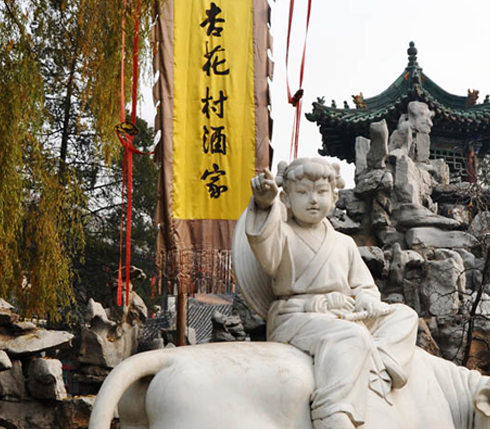
Fenyang City is the largest base of Fen-flavored baijiu in China and one of China's famous cities of baijiu. Xinghua Village has a baijiu-making history of more than 6,000 years. As early as 1,500 years ago during the Southern and Northern Dynasties, Fenjiu was highly praised by Emperor Wucheng of the Northern Qi as a royal wine, and was recorded in the Twenty-Four Histories.
Dingxiang County, known as the "Hometown of Forging in China", has a long history of industry for 2,000 years. Since the Han Dynasty, making horseshoes and cold weapons has become an occupation for local people to make a living.
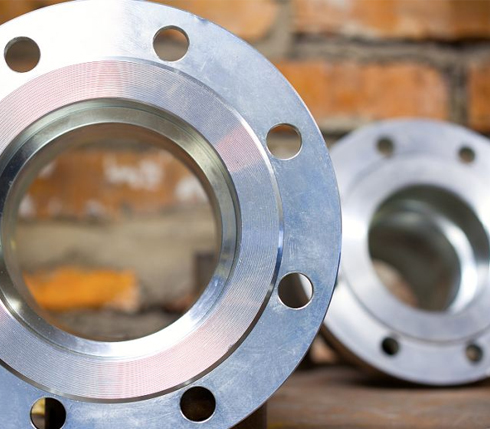
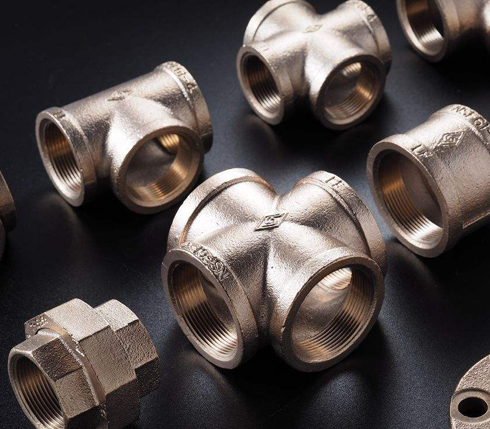
The malleable cast iron industry is the pillar industry in Taigu County, which started in the 1970s. After more than 40 years of ups and downs, the industry has gradually grown larger and stronger, with the outstanding reputation of "The world's malleable cast iron is from China and China's malleable cast iron is from Taigu".
The admixture industry in Wanrong County started in the late 1970s. Wanrong County is the origin and main production place of the concrete admixture industry, and has won titles including “China Construction Waterproof Town”, “Industrial Base of the Torch Program of Concrete Admixture”, “Shanxi's First Batch of Special Industry Cluster”, etc. With more than 100,000 employees in more than 600 companies at home and abroad and a production capacity of 6 million tons/year, the admixture industry has formed a complete industrial system integrating scientific research and development, large-scale production and technical services with the production and sales volume accounting for one-third of the national total.
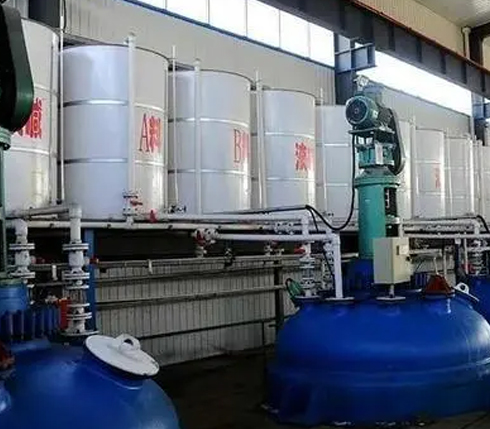
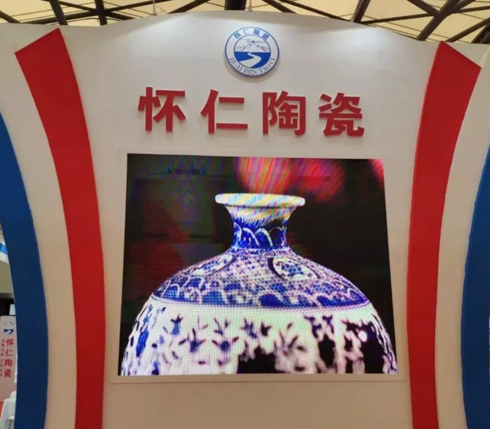
Huairen City is an important production area of everyday ceramics in northern China with a history of more than 1,000 years. Ceramics were first found in the Spring and Autumn Period, prevailed in the Liao and Jin Dynasties, and flourished in the Ming and Qing Dynasties.
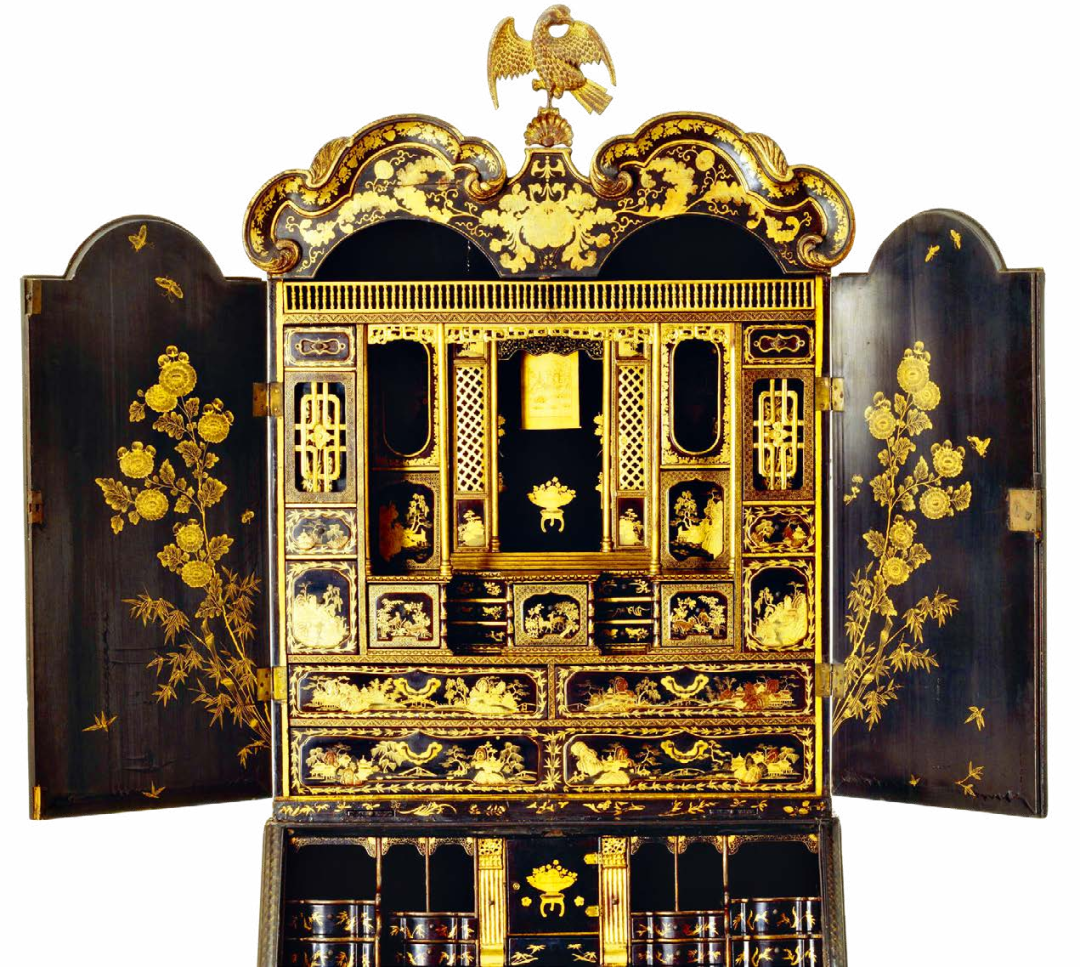
Dating from the Western Han Dynasty with over-2,000-year history, Pingyao beef had been well known across China in the Qing Dynasty. Its traditional technique is unique in the picking, slaughtering, marinating, stewing, and trimming. Pingyao varnished lacquerware has long been renowned as one of the four major lacquerwares in China with a history of more than 2,000 years. It is famous for its use of natural lacquer and its gloss polished by hand.
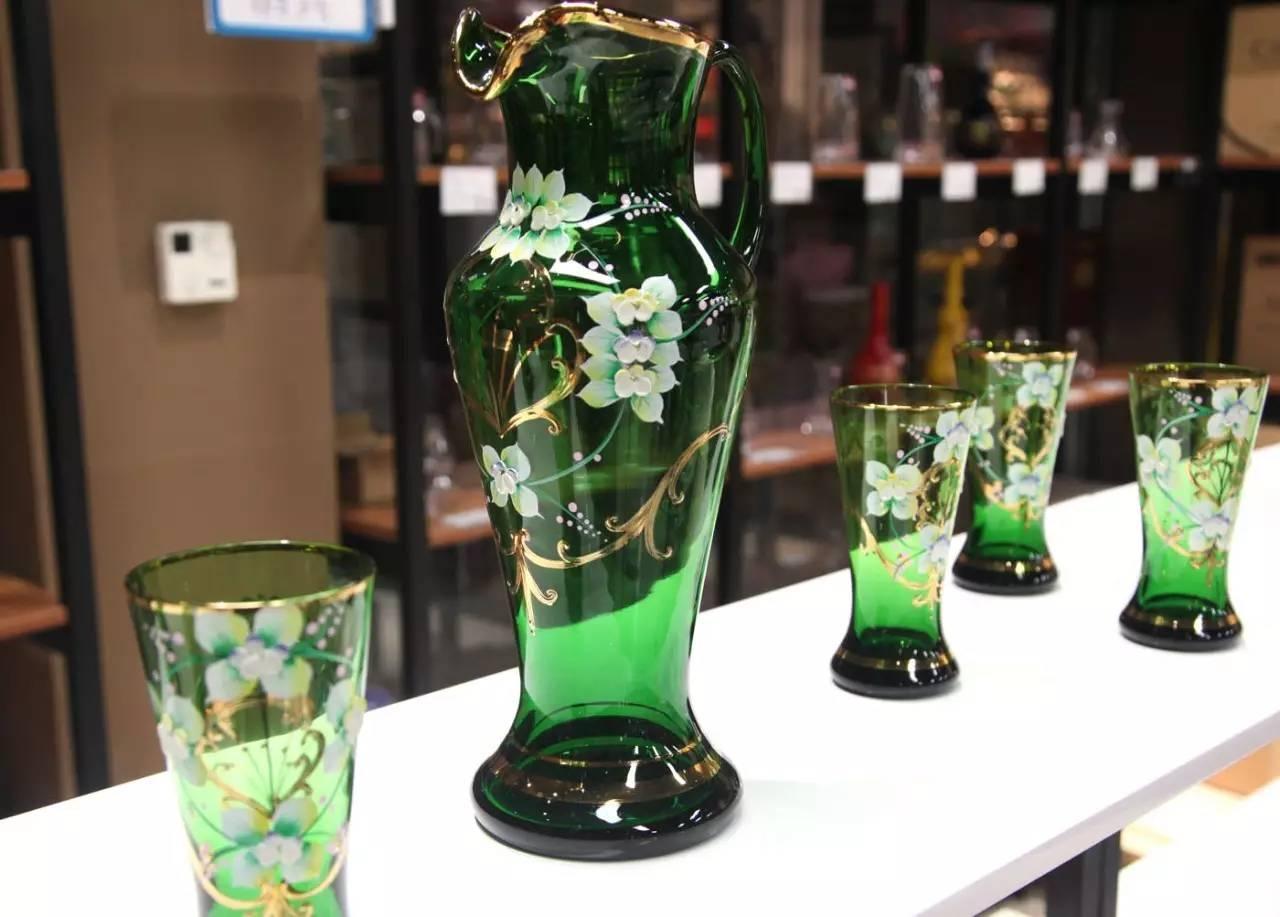
The glassware industry is a competitive industry in Qixian County with a history of over 300 years. It is now an industrial cluster with rich product categories, leading technologies, a complete industrial chain, clear export superiority, and huge development potential.
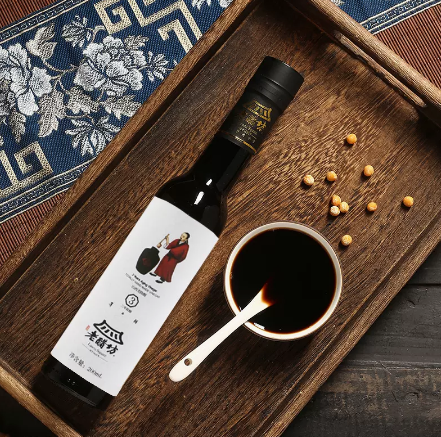
Since ancient times, Shanxi has been celebrated for producing premium vinegar, and the best vinegar in Shanxi is found in Qingxu. As the authentic birthplace of Shanxi matured vinegar, in 2006, the brewing technique of Qingxu matured vinegar was included in the first batch of China Intangible Cultural Heritage.
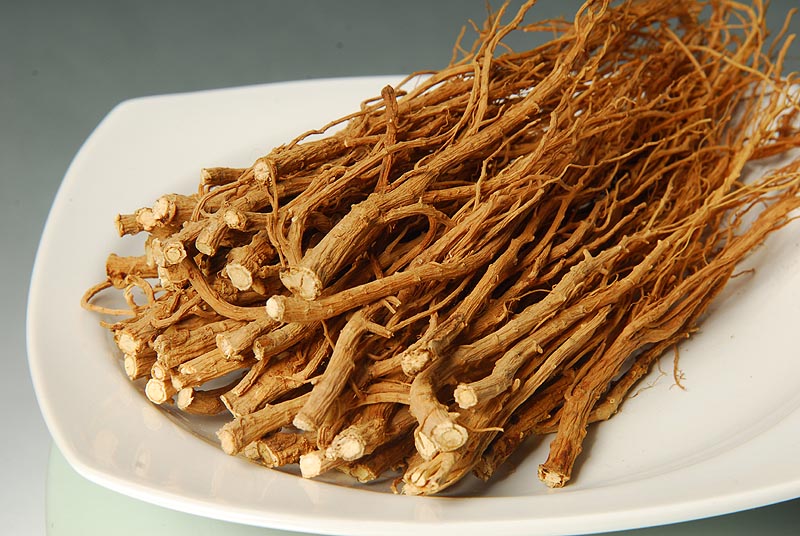
Located at the southern side of Taihang Mountains, Pingshun County features unique natural conditions for the cultivation of traditional Chinese medicine herbs. There are more than 300 kinds of animals and plants that can be used as traditional Chinese medicine materials; among them, there are 67 kinds of commonly used ones, and more than 10 are high-quality ones such as Lu codonopsis, forsythia, scutellaria, prunus humilis, and cornus officinalis, and the top ten traditional Chinese medicines in Shanxi Province can all be found here.
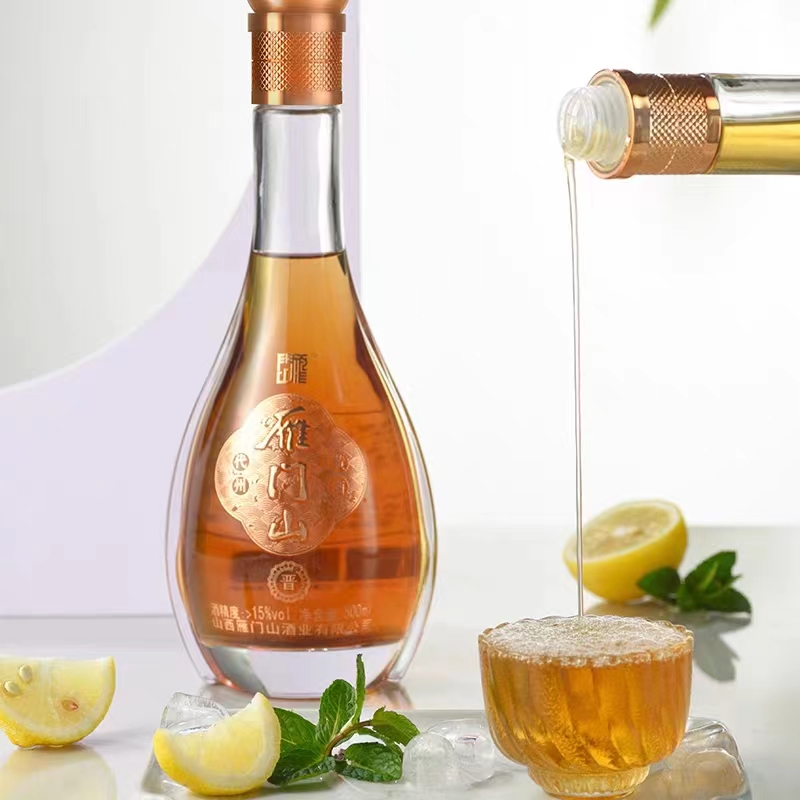
Daizhou yellow wine, or Huangjiu, has a history of 3,000 years in Daixian County. The earliest written records can be traced back to the Song and Jin Dynasties. In the Lists of Wines by Zhang Nengchen in Song Dynasty, there is the record of the Daizhou yellow wine. It is known as a North equal to Shaoxing yellow wine in Zhejiang, Southern China. In 2008, the brewing technique of Daixian yellow wine was included in the Shanxi Intangible Cultural Heritage List.
Fenyang City is the largest base of Fen-flavored baijiu in China and one of China's famous cities of baijiu. Xinghua Village has a baijiu-making history of more than 6,000 years. As early as 1,500 years ago during the Southern and Northern Dynasties, Fenjiu was highly praised by Emperor Wucheng of the Northern Qi as a royal wine, and was recorded in the Twenty-Four Histories.
Dingxiang County, known as the "Hometown of Forging in China", has a long history of industry for 2,000 years. Since the Han Dynasty, making horseshoes and cold weapons has become an occupation for local people to make a living.
Fenyang City is the largest base of Fen-flavored baijiu in China and one of China's famous cities of baijiu. Xinghua Village has a baijiu-making history of more than 6,000 years. As early as 1,500 years ago during the Southern and Northern Dynasties, Fenjiu was highly praised by Emperor Wucheng of the Northern Qi as a royal wine, and was recorded in the Twenty-Four Histories.
The admixture industry in Wanrong County started in the late 1970s. Wanrong County is the origin and main production place of the concrete admixture industry, and has won titles including “China Construction Waterproof Town”, “Industrial Base of the Torch Program of Concrete Admixture”, “Shanxi's First Batch of Special Industry Cluster”, etc. With more than 100,000 employees in more than 600 companies at home and abroad and a production capacity of 6 million tons/year, the admixture industry has formed a complete industrial system integrating scientific research and development, large-scale production and technical services with the production and sales volume accounting for one-third of the national total.
Huairen City is an important production area of everyday ceramics in northern China with a history of more than 1,000 years. Ceramics were first found in the Spring and Autumn Period, prevailed in the Liao and Jin Dynasties, and flourished in the Ming and Qing Dynasties.
Dating from the Western Han Dynasty with over-2,000-year history, Pingyao beef had been well known across China in the Qing Dynasty. Its traditional technique is unique in the picking, slaughtering, marinating, stewing, and trimming. Pingyao varnished lacquerware has long been renowned as one of the four major lacquerwares in China with a history of more than 2,000 years. It is famous for its use of natural lacquer and its gloss polished by hand.
The glassware industry is a competitive industry in Qixian County with a history of over 300 years. It is now an industrial cluster with rich product categories, leading technologies, a complete industrial chain, clear export superiority, and huge development potential.
Since ancient times, Shanxi has been celebrated for producing premium vinegar, and the best vinegar in Shanxi is found in Qingxu. As the authentic birthplace of Shanxi matured vinegar, in 2006, the brewing technique of Qingxu matured vinegar was included in the first batch of China Intangible Cultural Heritage.
Located at the southern side of Taihang Mountains, Pingshun County features unique natural conditions for the cultivation of traditional Chinese medicine herbs. There are more than 300 kinds of animals and plants that can be used as traditional Chinese medicine materials; among them, there are 67 kinds of commonly used ones, and more than 10 are high-quality ones such as Lu codonopsis, forsythia, scutellaria, prunus humilis, and cornus officinalis, and the top ten traditional Chinese medicines in Shanxi Province can all be found here.
Daizhou yellow wine, or Huangjiu, has a history of 3,000 years in Daixian County. The earliest written records can be traced back to the Song and Jin Dynasties. In the Lists of Wines by Zhang Nengchen in Song Dynasty, there is the record of the Daizhou yellow wine. It is known as a North equal to Shaoxing yellow wine in Zhejiang, Southern China. In 2008, the brewing technique of Daixian yellow wine was included in the Shanxi Intangible Cultural Heritage List.

ABOUT SHANXI | MEDIA CENTER | BUSINESS | TOURISM | SERVICE | CONTACT US
Foreign Affairs Office of the People's Government of Shanxi Province
Address: No.366 Yingze Street, Taiyuan, Shanxi Province, China | Post Code:030001
TEL:+86-351-4034948 Email:service@wsb.shanxi.gov.cn
 晋公网安备 14010602060470号